

Langsea Dibley
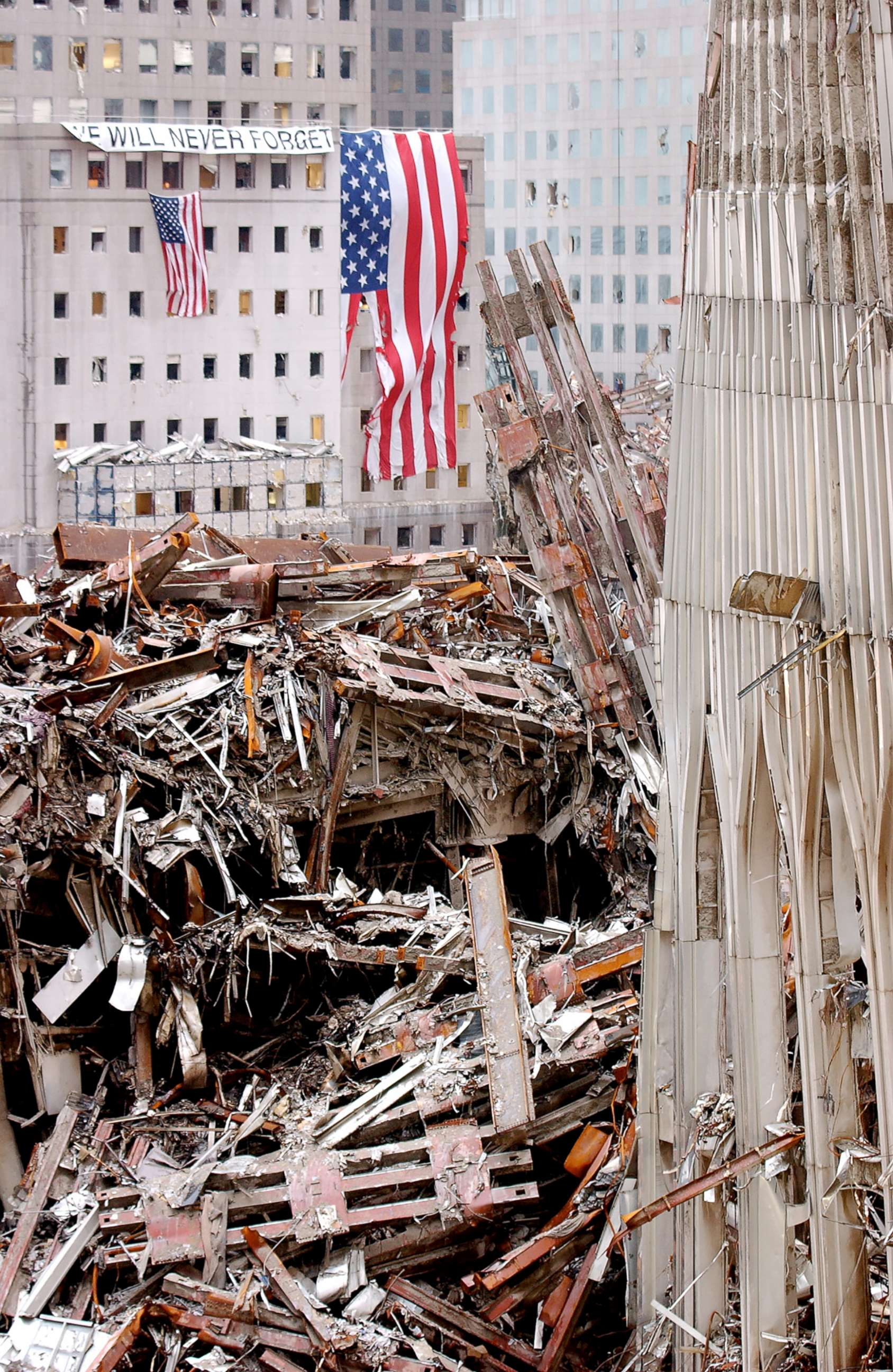
I was born on 9/11. 9/11/2007 to be clear, but 9/11 nonetheless. I did not know about what happened 6 years before I was born until I was in the 4th grade. Before cupcakes, before the birthday song, my teacher dimmed the lights and turned on the SmartBoard. He played a video about the attack on 9/11/2001. Planes, fire, smoke, screaming, sirens… we cried. I could not eat my cupcake.
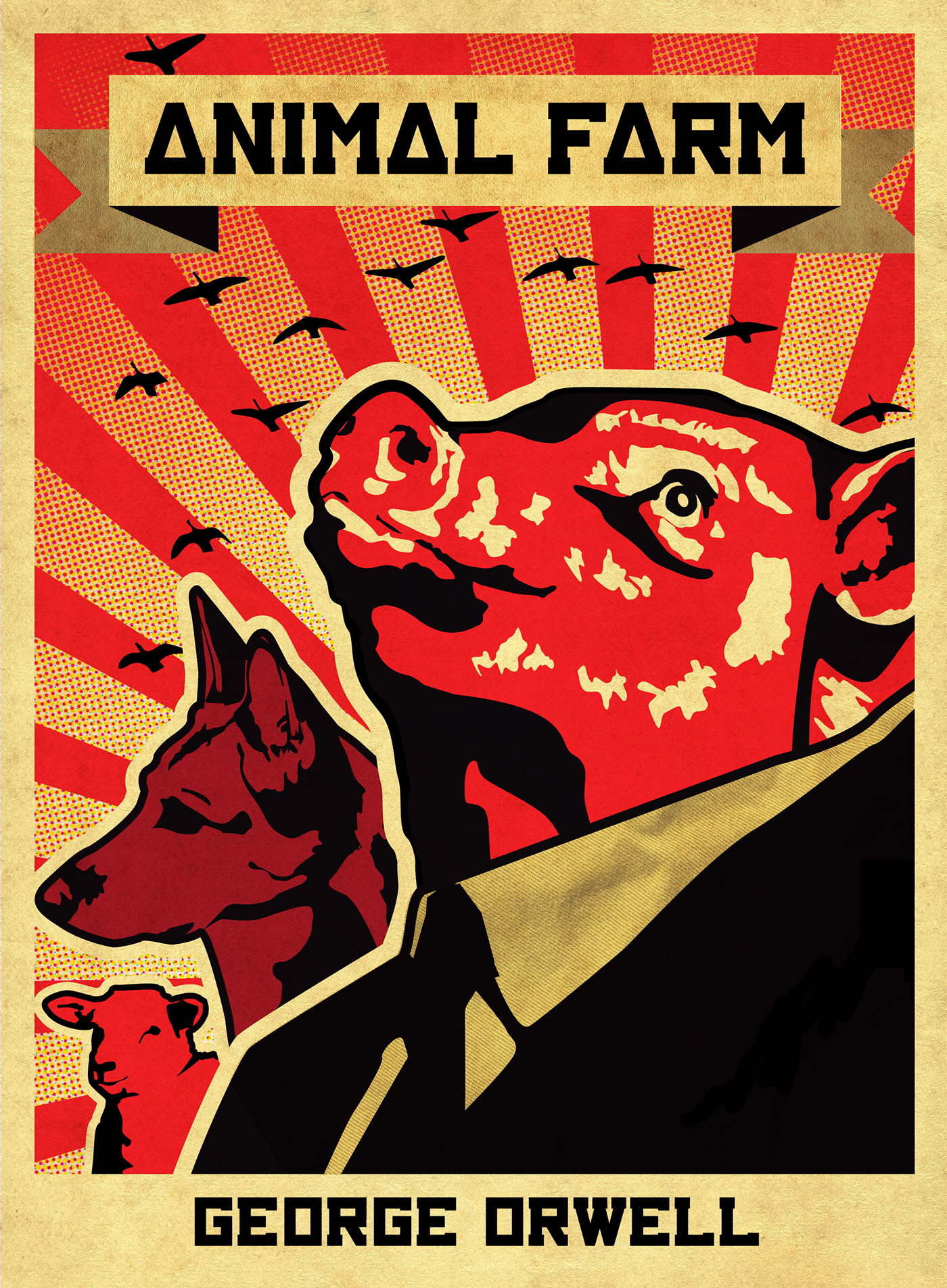
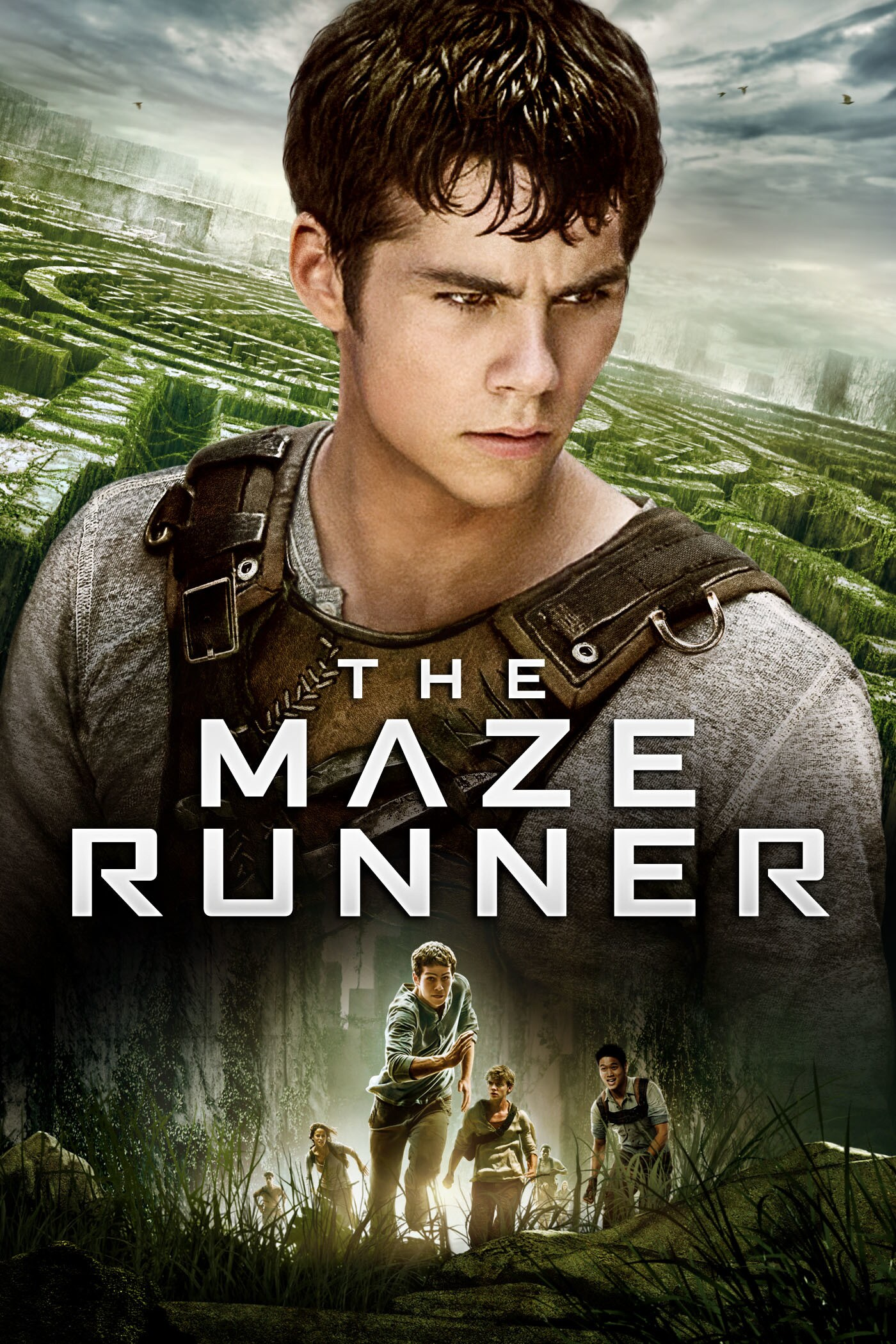
In middle school, my favorite books were Fahrenheit 451, the Unwind series, 1984 and Animal Farm. That is not unusual. My entire generation is marinated in dystopian fiction. Some of our favorites became blockbuster movies, like the Hunger Games, Maze Runner, and Ready Player One. The impetus for these stories was the end of the world. The stories with teenage protagonists captivated us. I was Katniss and she was me. It fell again and again to the teens in these stories to save the world/society from incompetent/corrupt adults. The fight was for justice, a fight that often required the suffering or even death of more than one teenage character. Of course, dystopian fiction is a genre and a lucrative one at that. The audience for these stories is teenagers, so, naturally, the main characters are teenagers as well. But, stories shape generational identities. We are our stories and they are us. Intended or not, these stories of teenagers shouldering the burden of saving the world sent a message to me and my friends: it is up to us. We too, could and should save the world.
Of course, every generation has their own stories, their own trauma. My parents practiced hiding under their desks from bombs in the height of the Cold War when they were in elementary school, my friends and I practiced hiding from bullets. For my parents, the threat was a hemisphere away, across an ocean, on television screens. For me and my friends, the threat is a seat away from us, a room, a hallway. We learn in elementary school that we are not safe in the mall or on the street. A stranger might want to give us candy or show us his puppies. We needed to be wary of adults we know, friends’ dads or weird uncles who might want to touch us in our bathing suit area.
In middle school I began to know girls who had been touched by their uncles. In the middle of middle school, the whole world was shut down by the pandemic on 4/11/2020. We learned that our friends and our families could carry pathogens that can kill us. The world shrank to the walls of our houses. In the absence of school, the internet became our teacher. Unfettered access to the internet taught us that the climate is in crisis, journalism is dying, our democracy might be failing. That bigots, racists, and rapists are gaining power. It taught us that the ice is melting, that people hate refugees, the civil rights movement is stalled, that women’s rights are being rolled back, and that LGBTQ people live in fear. It taught us that supreme justices take bribes, that corporations are people, that people don’t believe election results, that there’s more plastic in the ocean than fish, that my body is full of microplastics. It taught us that Florida might disappear, that forests are on fire. About the Syrian war, about the Ukrainian war, about the war in Gaza. About the war in our streets –George Floyd, Treyvon Martin, and Sonya Massey.
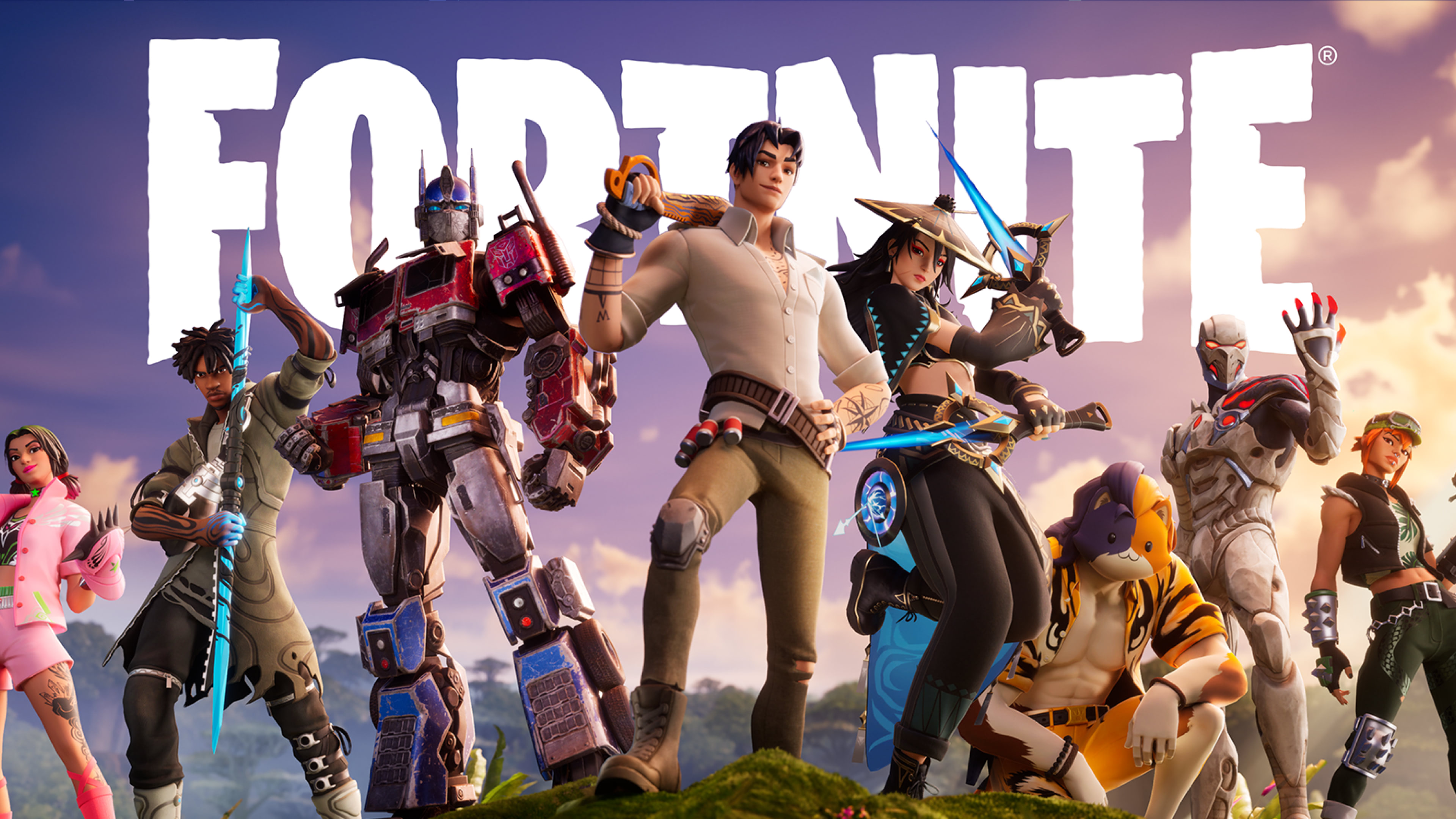
The sirens still blare. Everything is crisis! crisis! crisis! Politicians swear the election of their opponent will bring forth the apocalypse. Every piece of proposed legislation is a call to arms. There is no winning. I am exhausted and I have never even had the chance to vote. 61% of Gen Zers have a medically diagnosed anxiety disorder. And adults wonder why our average screen time is 8 hours a day, why we retreat to watching Subway Surfers x Reddit story videos and playing video games. Fortnite, after all, is a war you can win.
We, Gen Z, have been labeled the “activist generation.” Certainly, access to the internet and social media allowed us the ability and visibility to sign petitions and organize walkouts at our schools over ICE deportations. But now, watching the rise of fascism around the world, the defunding of vaccine research, Alligator Alcatraz, the Big Beautiful Bill, and aid blockades to Gaza, that label feels like a projection of adult hope, a way out of the problems you cannot solve. Your hope, however, is our burden. You are handing us a world on fire by your own admission. Now in high school, as an emerging adult, I tell you my generation wants to help, to take up the torch, to do our part. The issues we are collectively facing are real with irrevocable consequences that my friends and our children and grandchildren will have to deal with. However, my generation is fast approaching the point of utter desensitization. It is inevitable, if all you hear are sirens, you tune them out. You cannot abdicate your responsibility by retreating to your political silos and expect us to just know how to make sense of it. In such uncertain times, we understand your anxiety. The temptation and comfort in retreating and sounding the alarm. It is easy to fall into echo chambers where you only hear what you agree with. To fall into a political system that is based on party, not policy. What you hope is the activist generation is on the verge of becoming the paralyzed generation. Hysteria does not breed hope. I warn you, if everything is a crisis, nothing is.



Leave a Reply